The Listing Cycle Playbook
The Listing Cycle Playbook
The Listing Cycle Playbook — How It Works in 3 Steps
Let's grab 15 minutes and walk through it on one of your listings. That's all it takes to see if it moves the needle.
Turn each listing milestone into a reason to reintroduce the property.
The Listing Cycle Playbook gives real estate agents a simple visibility plan for the moments buyers and neighbors already understand: coming soon, open house, and just sold. Instead of relying on one launch post, the property can earn a fresh, useful message as its status changes.
Use the playbook to keep seller communication organized, create consistent marketing touchpoints, and make every update easy to explain. The goal is not more noise. It is a clear sequence that helps the right audience notice the listing, understand what is happening, and know what to do next.
Choose one active listing, map its next milestone, and use the examples below to plan the next visibility step with a focused message and destination.

Our Plan to Create Visibility
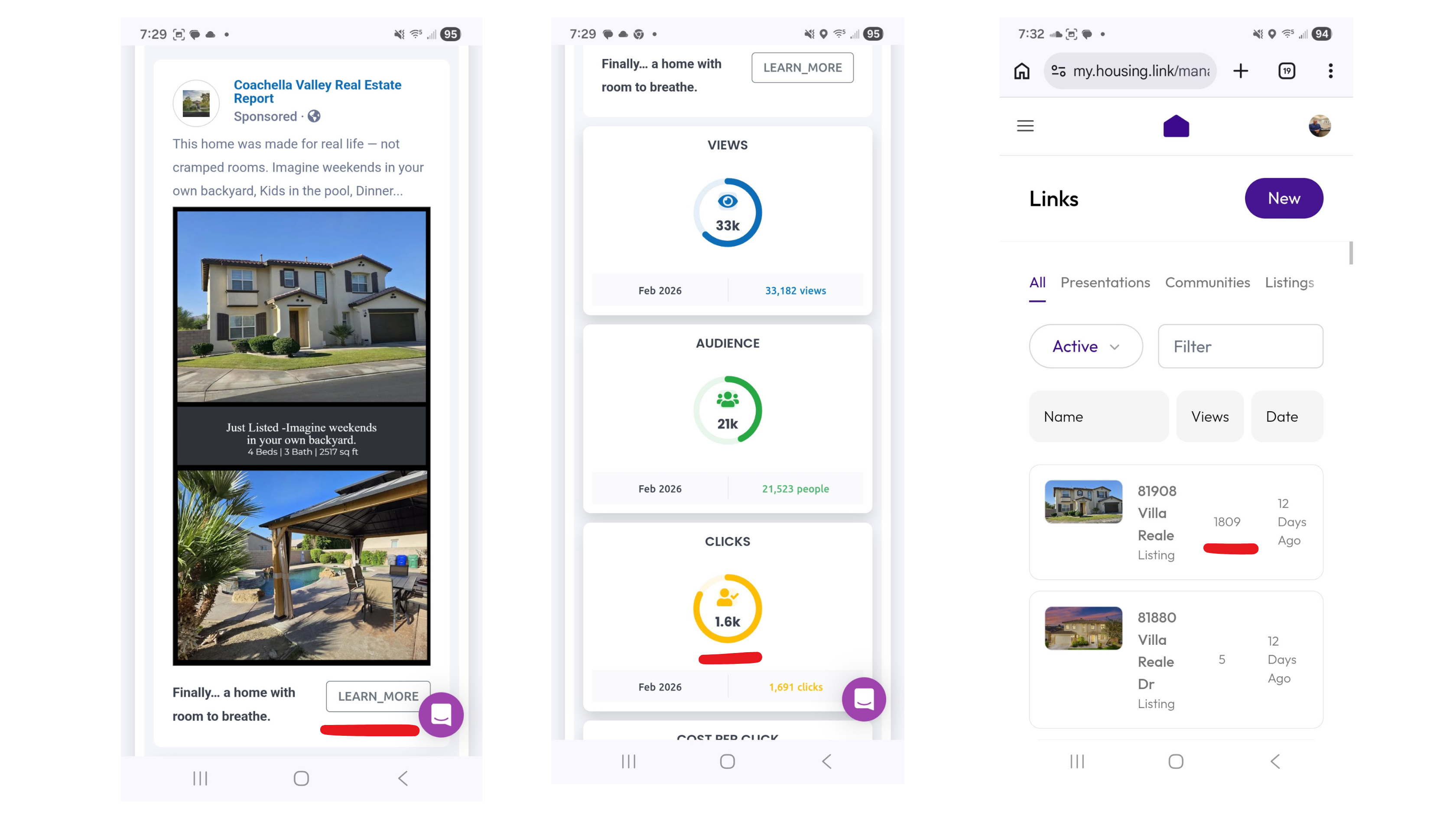
Our Plan to Create Visibility
Explore Buyer & Seller Resources & Next Steps
+ −Market Timing vs. Market Strategy: When Is the Right Time to Buy... And More Importantly, Why?
Calculators & Loan Programs Questions Answered: Mortgage Programs & Financing Calculator
Smart Financing Strategies to Lower Your Monthly Mortgage Payment: Smart Mortgage Strategies & Financing Hacks
Homebuying Roadmap: Your Mortgage GPS
Moving To Middle Tennessee: Moving To Middle Tennessee Resource Center
Search Open Houses: View All Middle Tennessee Open Houses
Main Resource Hub: Buyers, Sellers, Realtors, and Builders Resources and Strategies
Additional Information & Reference Guides
+ −The Listing Cycle Playbook Image Overview
+ −Our Plan to Create Visibility Image Overview
+ −What this image communicates
The “Our Plan to Create Visibility” image turns the central issue on “The Listing Cycle Playbook” into a visible primary visual message. It is there to make one topic recognizable at a glance and give the reader a clear entry point into the deeper explanation on the page, while the page supplies the evidence and explanation needed to evaluate whether presentation, price, payment framing, exposure, property condition, and buyer feedback are producing the right market response. The visual presents “Our Plan to Create Visibility” as a sequence of dependent steps. Its order matters: one confirmed input creates the next task, and an unresolved item can stop the file, listing, or purchase from advancing. By turning the process into visible stages, the graphic lets a reader identify the current position, the next handoff, and the deadline or evidence that controls progress.
Why it belongs on this page
The Listing Cycle Playbook treats a listing as a sequence of launch, observation, diagnosis, adjustment, and renewed exposure. Its visual shows how visibility is created and evaluated before a seller assumes the only available response is another price reduction. Relevant evidence includes traffic, online engagement, buyer comments, competing inventory, property condition, financing objections, and the seller's actual timing priorities. The primary visual message of “Our Plan to Create Visibility” is why this image belongs at this point in “The Listing Cycle Playbook.”
The exact story carried by this graphic
“Our Plan to Create Visibility” represents the launch-and-measure discipline behind a listing, not a promise to place the same advertisement everywhere. The agent should define the property's strongest buyer story, prepare accurate media and disclosures, distribute the listing through appropriate channels, monitor engagement and showings, and decide in advance which evidence will trigger an adjustment. The graphic is valuable because it gives the seller a visible plan and review cadence before market feedback arrives, while keeping pricing, condition, access, financing objections, and competitive inventory in the diagnosis.
How a reader can use it
Use “Our Plan to Create Visibility” for its stated primary visual message job on “The Listing Cycle Playbook.” Identify the claim, chart, comparison, process, property feature, or strategy shown and connect it to the exact decision the page addresses. The working notes for this panel should record the literal claim or comparison shown, the page fact it supports, the source behind that fact, and the next decision the reader should make. That record lets the reader distinguish a visibility problem, value objection, payment objection, property concern, or process obstacle before defaulting to another price cut without asking this image to answer a different stage of the decision.
What still must be verified
The final safeguard is verification. A marketing graphic cannot guarantee traffic, offers, sale price, appraisal, buyer qualification, property condition, or a particular time on market. A reader should leave “Our Plan to Create Visibility” knowing what to ask and what to gather, not believing that a graphic has already supplied an approval, valuation, legal conclusion, or guaranteed outcome. On “The Listing Cycle Playbook,” that safeguard applies specifically to the primary visual message role assigned to “Our Plan to Create Visibility.”